

Investing in an indoor playground (Family Entertainment Center – FEC) is a highly lucrative business decision. But before you sign that lease and buy those colorful play structures, there’s a major hurdle you must clear: compliance and permit approvals.
Please note: Municipal approval systems in Western countries (like a City Council in the US or a Local Authority in the UK) vary in their specific requirements. But regardless of which country you are opening your business in, if you are wondering what do you need to open an indoor playground, the following guide breaks down the four core compliance thresholds you must cross. This will help you establish a clear approval framework in the early stages of your project.
1. Basic Business and Tax Registration: Make Your Business Legal
Before discussing playground equipment, you must first prove that your playground is a legally operating business.
- General Business License / Operating License: This is the most basic permit, usually applied for at your local municipality or regional government, proving you are qualified to conduct business in that area.
- Business Name Registration / Trading Name: If the brand name your playground operates under is different from your registered legal corporate name, you need to register a “Doing Business As” (DBA) or trading name.
- Tax Identification Number / Business Number: You need to apply for a dedicated corporate tax ID from the local tax authority for compliant tax reporting and hiring employees.
- Sales Tax or VAT Registration: Extremely important! Whether it’s Sales Tax in North America or VAT in Europe, your ticket revenues, snack and beverage sales, and even birthday party fees require you to collect the relevant taxes on behalf of the government and remit them regularly.
2. Venue and Building Approvals: The Biggest Bottleneck
This part usually takes the longest and is where mistakes happen most easily. We strongly recommend communicating with the local planning department during the site selection phase.
- Zoning and Land Use Permit: Not all retail spaces or old warehouses can be turned into an indoor playground. The municipal department will strictly review whether your chosen location falls within a zone that allows “Commercial Entertainment.” They will also assess if your foot traffic will cause congestion and if there are enough parking spaces to meet regulations.
- Building and Construction Permits: Whether you are building from scratch or renovating an existing commercial space (even just adding a partition wall or remodeling a restroom), you must submit detailed construction blueprints to the relevant departments for approval.
- Signage Permit: Many city councils have extremely strict regulations on the size, color, and even night-time illumination brightness of outdoor signs. You must obtain written permission before installation.
3. Safety and Fire Inspections: The Non-Negotiable Bottom Line
Children’s safety is the lifeline of playground operations, and fire departments in every country conduct extremely rigorous inspections.
- Fire Safety Certificate / Fire Department Approval: A fire inspector will conduct an on-site check of your venue. Key inspection points include: whether emergency exit routes are clear and well-marked, whether sprinkler systems and fire alarms cover the entire venue, the placement of fire extinguishers, and whether the renovation materials used in the venue are fire-retardant.
- Certificate of Occupancy: This is your ultimate “green light” before opening your doors. Only when all hard fixtures are completed, equipment is installed, and both the fire and building departments have passed their inspections will the government issue this certificate. It legally specifies the maximum capacity of people allowed in your venue simultaneously while ensuring safety.
4. Food & Beverage and Special Permits: Details Determine Success
- Health & Food Service Permits: If your playground only sells bottled water and pre-packaged snacks, the approval process might be lenient. But if you plan to offer freshly made coffee, sliced fruit, or any food that requires preparation, you generally must apply for a food service permit. Some regions also require your employees to obtain relevant food hygiene certifications.
- Music Licensing: Most pop music played in playgrounds is copyrighted. If you play it in a public commercial space, you need to purchase a commercial broadcast license from the local music copyright management agency; otherwise, you easily face infringement claims.
Practical Advice for Investors: Professional Planning Accelerates Approval
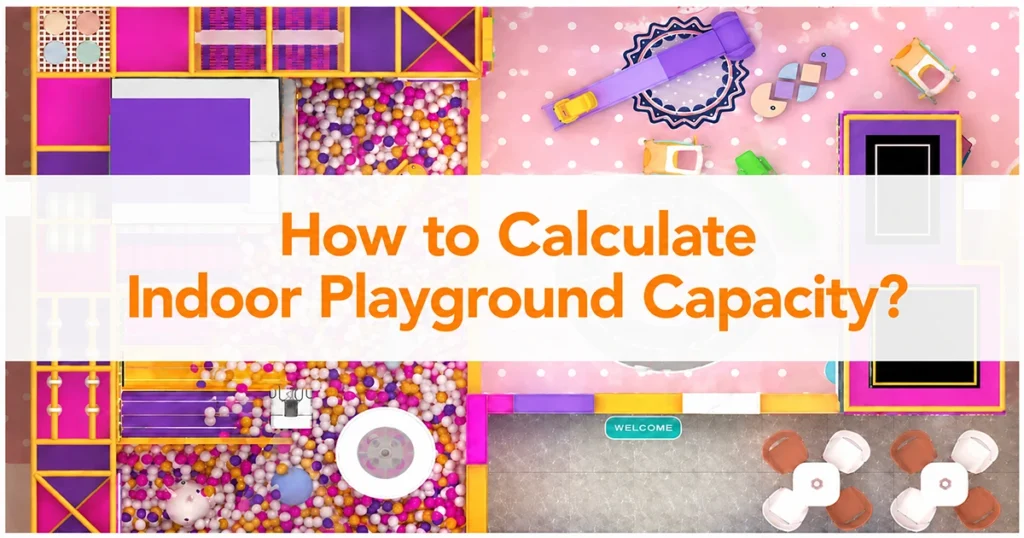
Applying for permits is not just a legal obligation; it’s a test of your venue planning capabilities. When figuring out exactly what permits are needed for an indoor playground, especially during building permit and fire inspection applications, local planning departments in Western countries usually require extremely rigorous floor plans and equipment parameter sheets.
This is exactly why choosing a highly experienced equipment manufacturer is crucial.
As a professional indoor playground equipment manufacturer serving the global market, Leban Play deeply understands international compliance requirements. We not only provide high-quality equipment that meets international safety standards, but we also provide the professional 3D layout drawings and detailed Technical Specifications needed to pass local government approvals. This professional data can help you clearly demonstrate the structural safety and logical traffic flow of the playground to relevant departments, thereby greatly accelerating your approval process.
Ready to kick-start your indoor playground project?
Contact us today to get a free venue layout plan and a quote for custom equipment. Let our professional team help bring your project to life smoothly.